
Safety at Rebar Bending and Cutting Machines: The Rules That Prevent Accidents
Rebar processing is one of the most force intensive processes in construction. Machines that cut 40 mm steel do not forgive carelessness. The good news: almost all accidents at bending and cutting machines follow the same patterns and are preventable.
The three most common accident causes
First: reaching into the bending area during the cycle, usually to correct a slipped bar. Second: missing or bypassed safety guards. Third: insufficient training of new workers. All three can be solved organisationally before technology even enters the picture.
Personal protective equipment
No exceptions: S3 safety boots, cut resistant gloves, safety glasses when cutting. Close fitting clothing is mandatory, because a rotating bending disc grabs loose sleeves without mercy. Hearing protection is strongly recommended for continuous indoor operation.
What the machine itself must provide
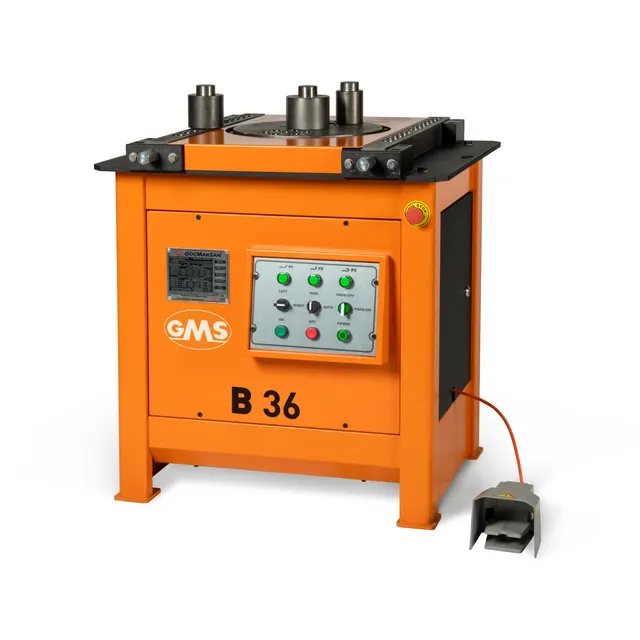
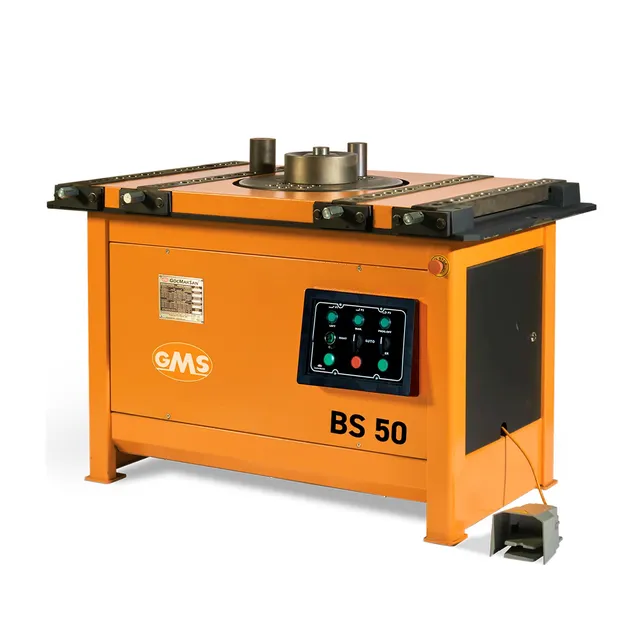
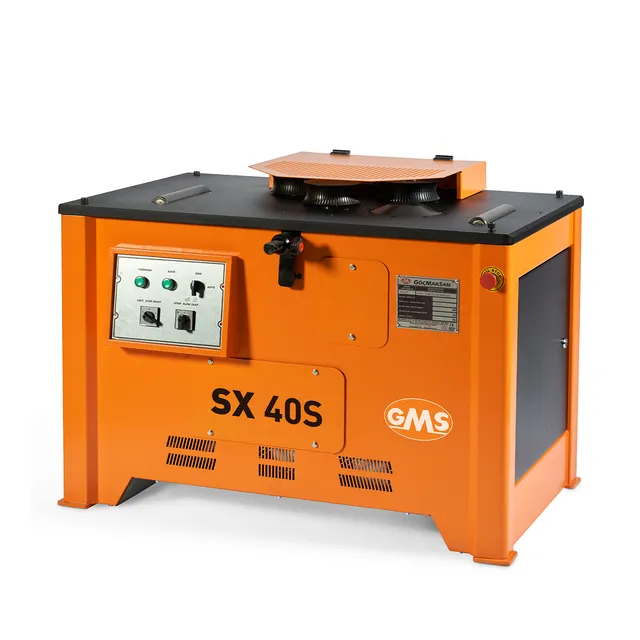
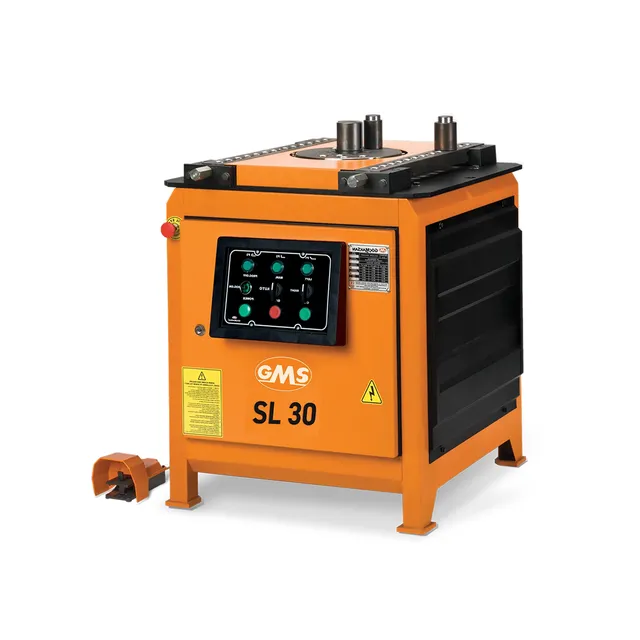
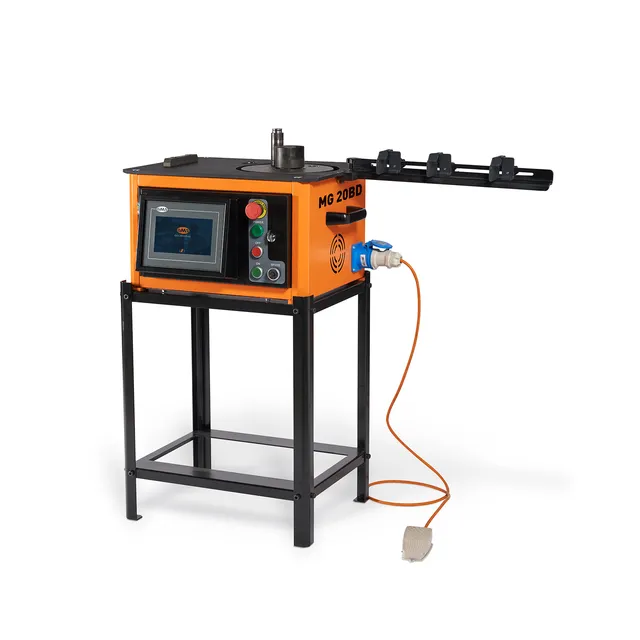
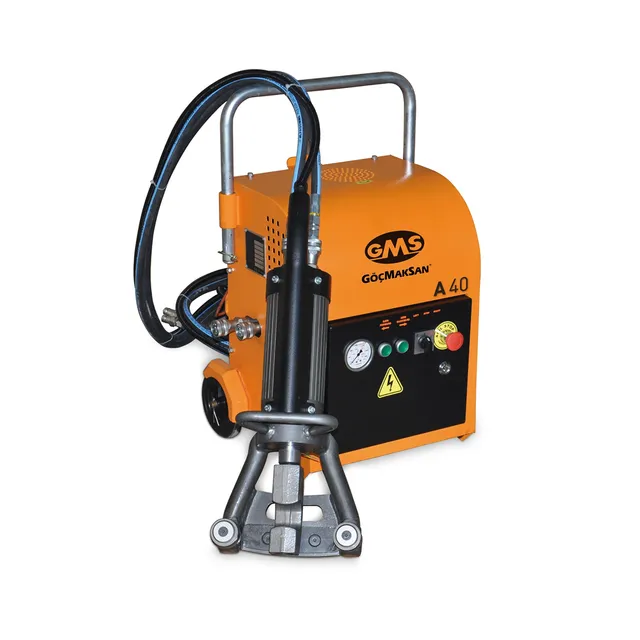
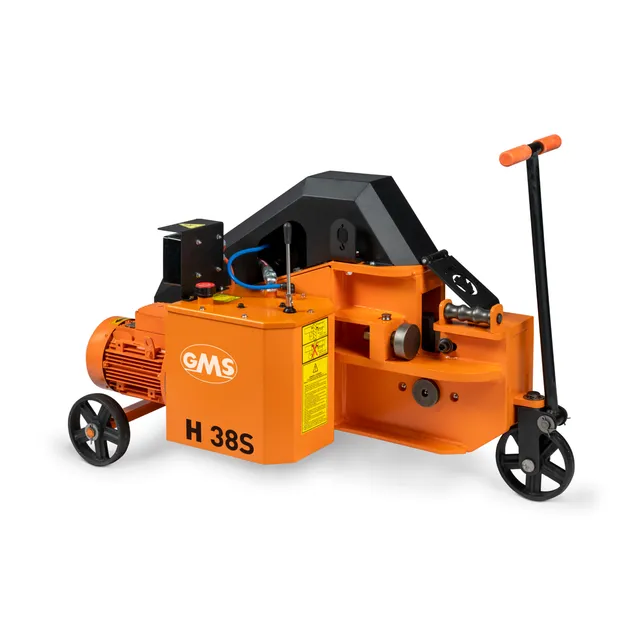
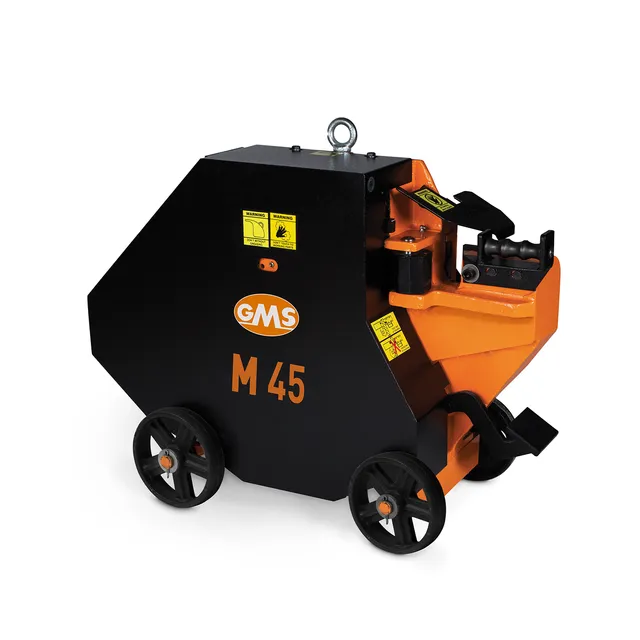
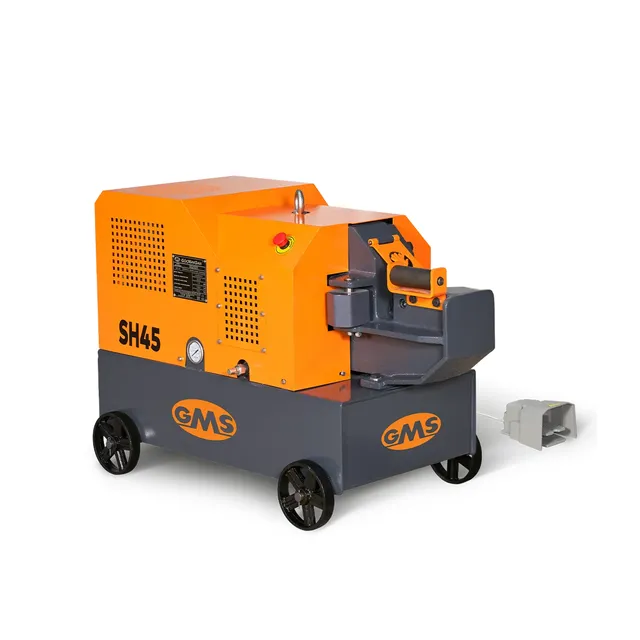
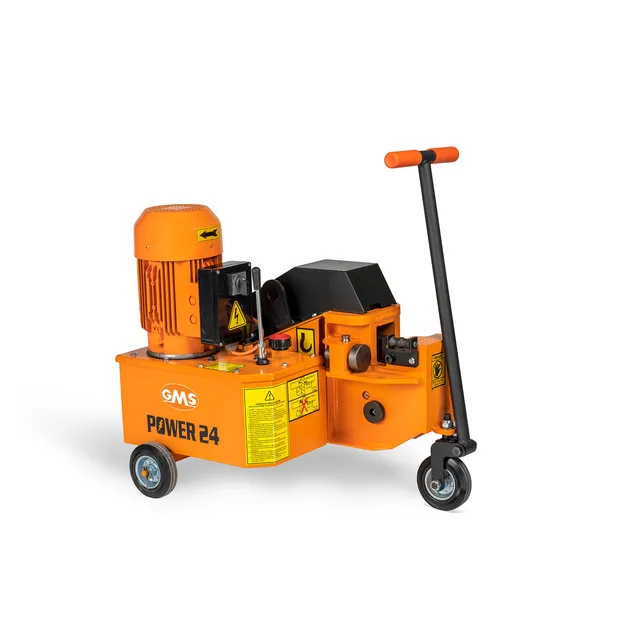
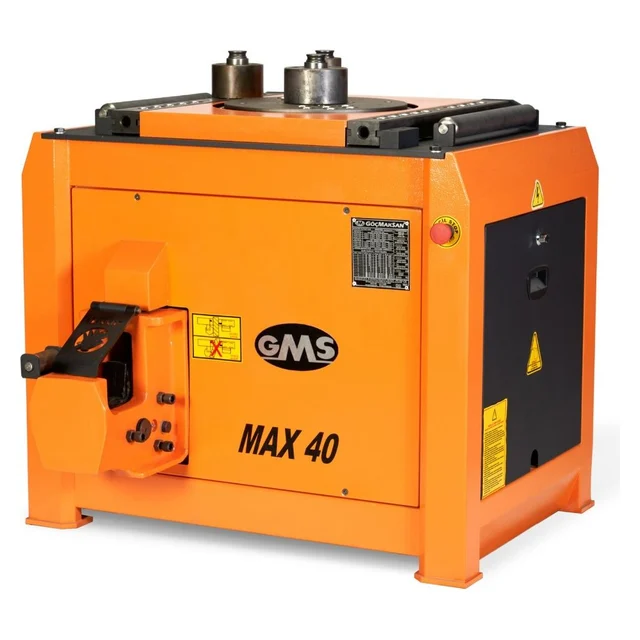
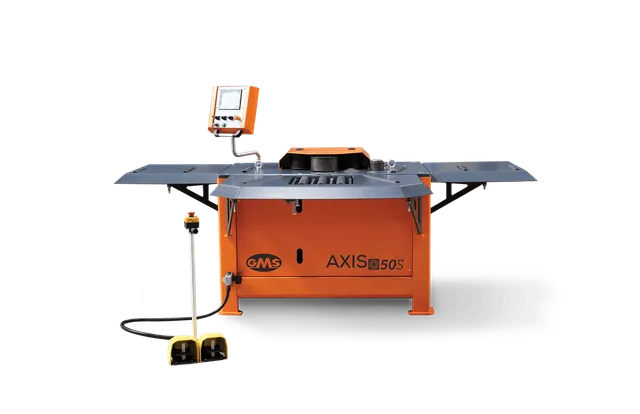
You recognise a safe machine by: CE marking with a declaration of conformity, emergency stops at every operating position, dead man control via pedal or two hand operation, and mechanical guards on drive and blades. GMS machines meet these requirements as standard, because safety is not an optional extra.
Organisation beats improvisation
Define one rule that is never broken: corrections to the workpiece only with the machine at full stop. Every new worker receives documented training on the specific machine they will operate. Test safety devices weekly, not yearly. And keep the work area clear: offcuts on the floor are an underestimated cause of accidents.
Conclusion
Safe machines, clear rules, consistent training. Safety costs minutes and saves livelihoods. For questions about the safety equipment of our machines, reach us via the contact form.
FAQ
Is two hand operation mandatory on bending machines? Machines must be designed so the operator cannot reach into the danger zone during the bending cycle. Two hand or pedal operation with a dead man function are the established solutions.
How often should emergency stops be tested? A weekly function test by the operator is recommended, plus a documented test during the annual inspection.
Can trainees work at cutting machines? Only after documented training and under supervision, depending on national regulations. Training on the specific machine is a prerequisite in every case.