
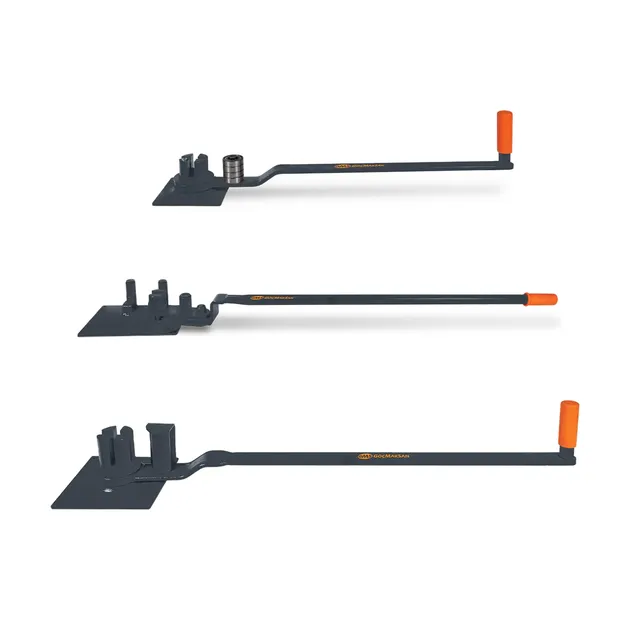
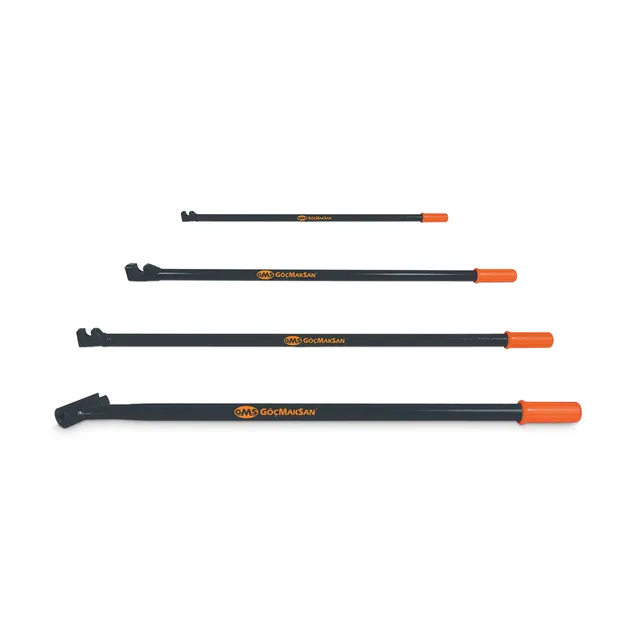
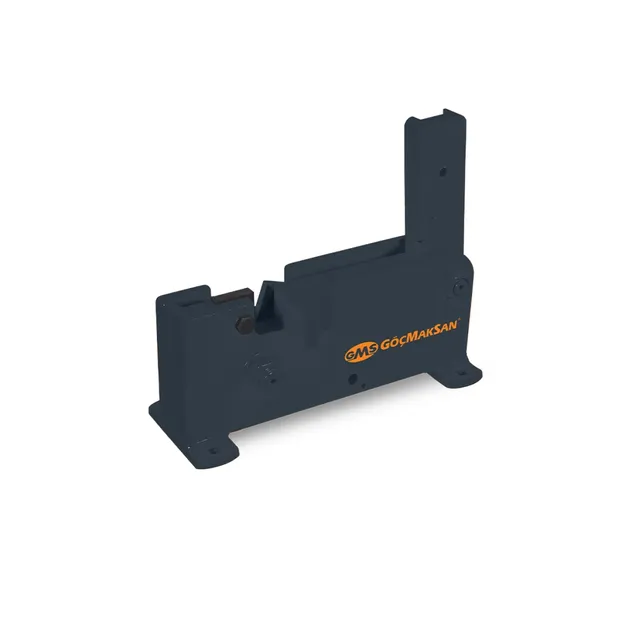
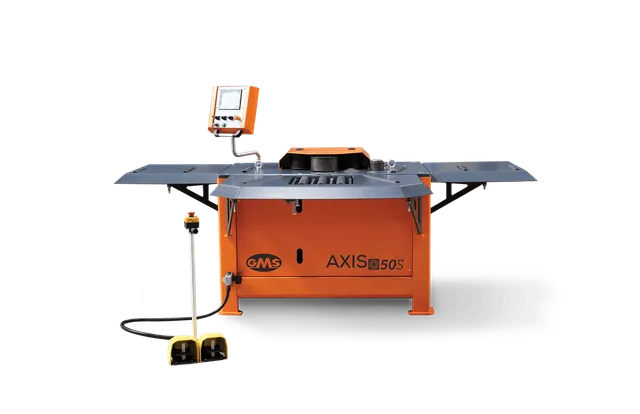
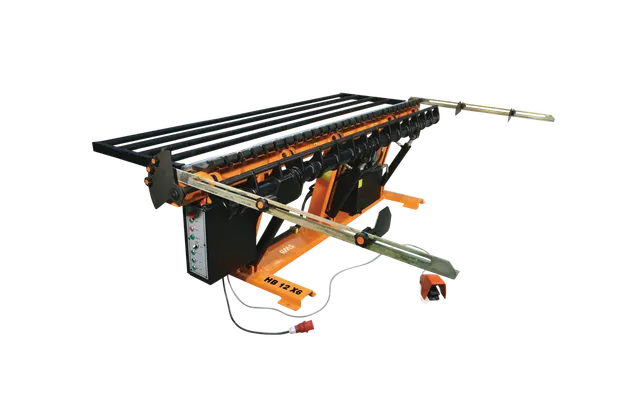
How to Choose the Right Rebar Bending Machine: The Complete Buying Guide
A bending machine is a 15 to 20 year investment. Choose wrong and you pay for it every single day through downtime, rework or a machine that is simply too small for your workload. This guide covers what actually matters when selecting one.
1. The single most important spec: maximum bar diameter
Every rebar bending machine is rated for a diameter range, typically from 6 mm up to 55 mm. The rule of thumb: choose a machine whose rated capacity sits about 20 percent above the largest diameter you process regularly. If you bend 32 mm bars daily, a 40 mm class machine will run cooler, last longer and stay accurate compared to a machine working at its limit.
Also consider steel grade. High tensile rebar (B500B and above) demands more bending force than catalogue figures for standard steel suggest.
2. Production volume: workshop or job site?
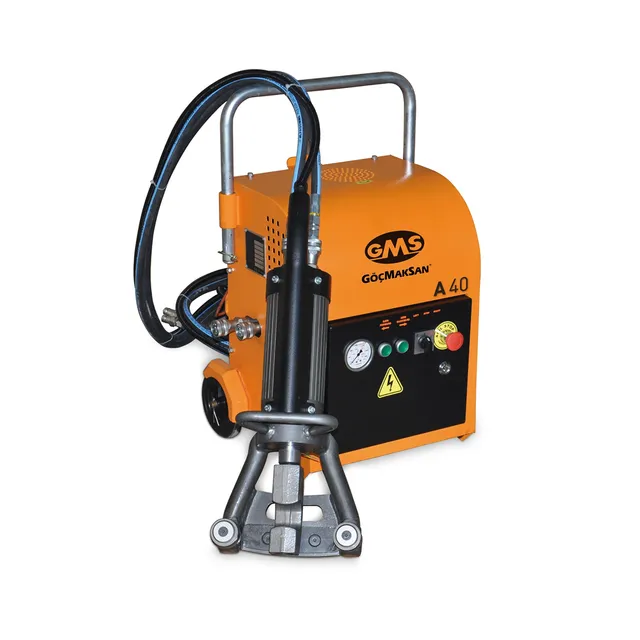
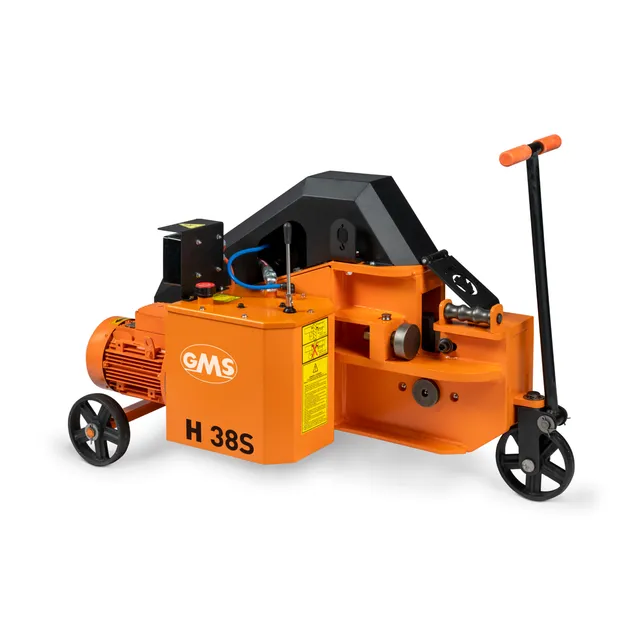
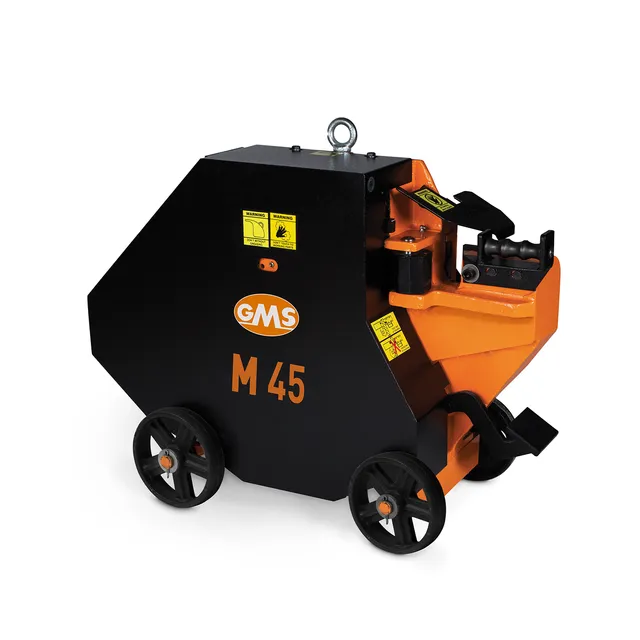
For mobile use on construction sites, compact machines with a robust chassis are the right choice. For rebar processing facilities, what counts is cycle time, repeat accuracy and endurance under continuous operation. A motor with real power reserve and a heavy machine body make the difference between a machine that survives one project and one that works for 20 years.
3. Control system and angle accuracy
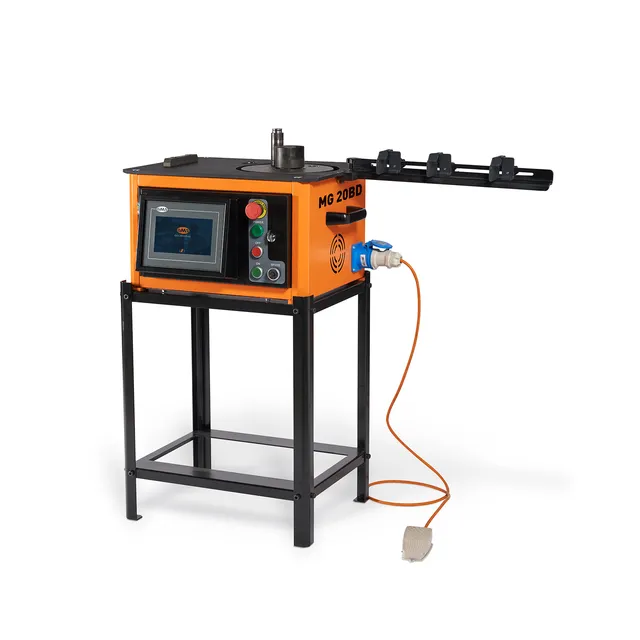
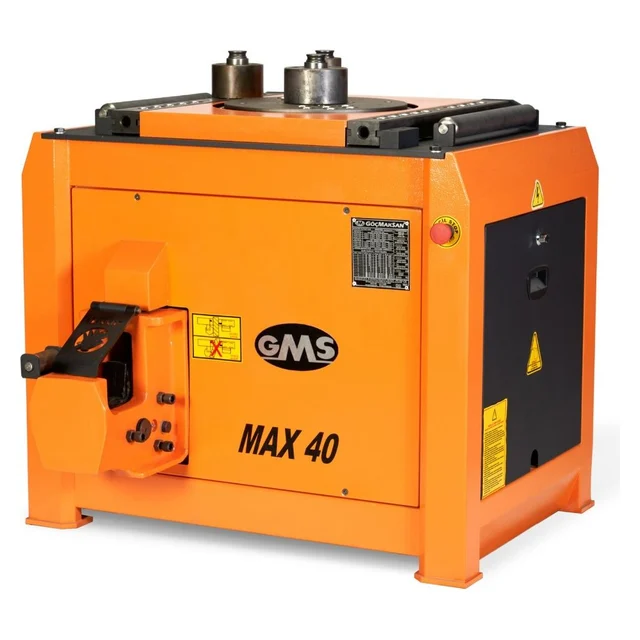
Modern machines offer adjustable angle stops and electronic controls with programmable memory. For stirrups, hooks and standard angles (45°, 90°, 135°) this saves serious time. Look for angle accuracy within a few degrees and minimal springback during a test bend.
4. Safety and standards
In Europe, CE marking, a fast acting emergency stop and two hand or pedal operation are mandatory, not optional extras. Ask about spare part availability and service coverage too. A machine is only as good as the manufacturer behind it.
5. Total cost of ownership, not sticker price
Compare operating costs rather than price tags: energy consumption, wear parts, maintenance intervals and resale value. GMS machines have been engineered for exactly this kind of longevity since 1960 and run in more than 90 countries today, from Poland and Romania to Portugal.
Conclusion
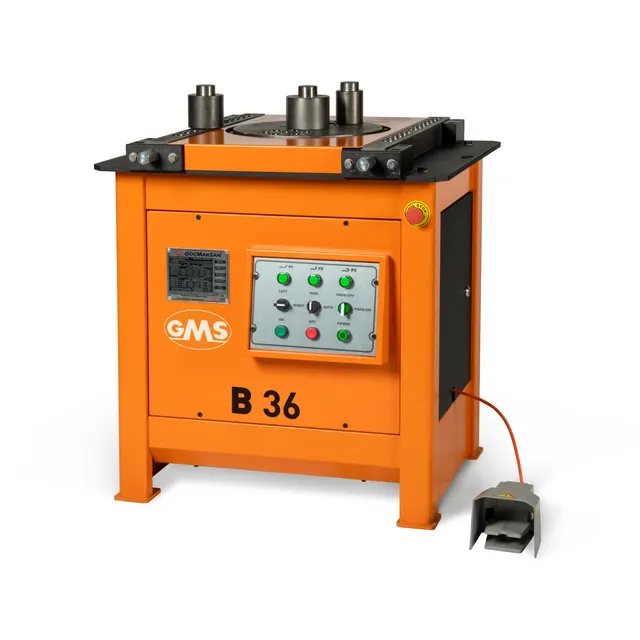
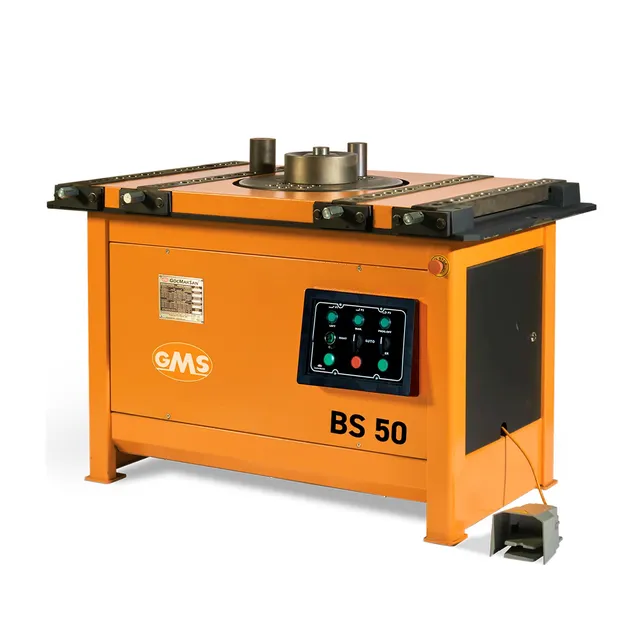
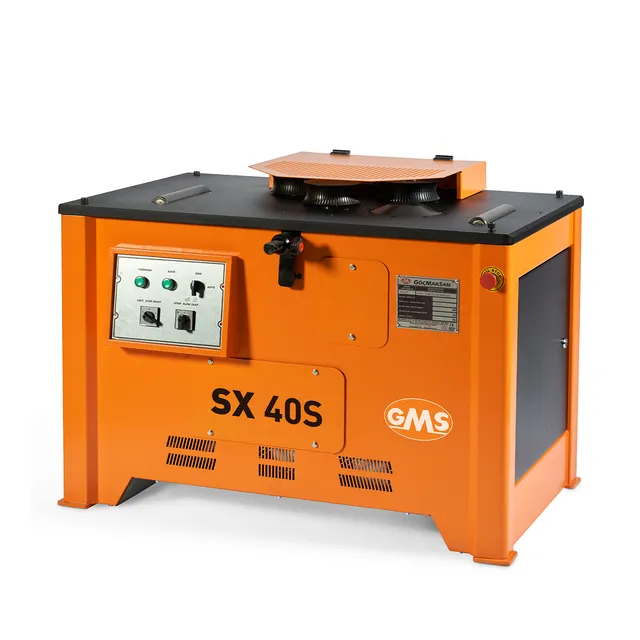
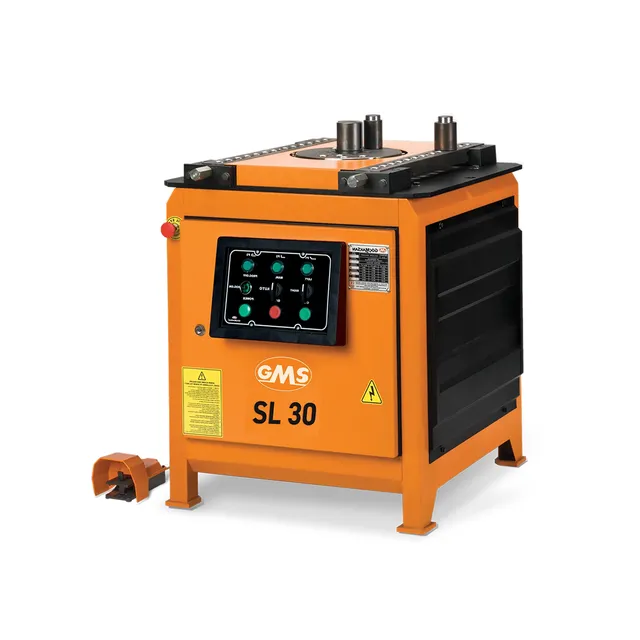
Diameter with reserve, the right build for your site, precise controls, European safety standards and a manufacturer with real service. Check these five points and you buy once, correctly. Our B Series rebar bending machines cover the full range. For tailored advice, contact our team.
FAQ
Which bending machine do I need for 32 mm rebar? A machine rated for at least 40 mm. You gain a power reserve, the machine wears more slowly and stays accurate even with high tensile steel.
How much does a professional rebar bending machine cost? Depending on capacity and automation level, prices range from a few thousand to mid five figure sums. What matters is total cost over the machine’s lifetime, not the purchase price.
Can a bending machine also cut rebar? No, that is the job of cutting machines or combined machines. High volume operations benefit from separate machines because both processes can run in parallel.