
Rebar Bend Diameters: The Standards Every Engineer and Fabricator Must Know
A rebar bent too tightly looks like any other bar on site. The difference only shows under load: micro cracks at the bend, a weakened cross section, in the extreme case brittle failure. That is why standards prescribe minimum mandrel diameters, and why the machine shares responsibility for compliance.
Why the mandrel diameter matters
During bending, the outer side of the bar is stretched while the inner side is compressed. The smaller the mandrel, the greater the strain on the outer fibre. If it exceeds the steel’s deformation capacity, cracks form that are barely visible from outside. The ribs of the rebar additionally act as notches.
The logic of Eurocode 2
Eurocode 2 links the minimum mandrel diameter to the bar diameter: as a base rule, four times the bar diameter for smaller bars and seven times for larger ones. National annexes may differ, so fabricators supplying projects in Poland, Romania, Portugal or Albania should always verify the national provisions of the destination country. Additional rules apply to rebending and to bending at low temperatures.
What this means for the machine
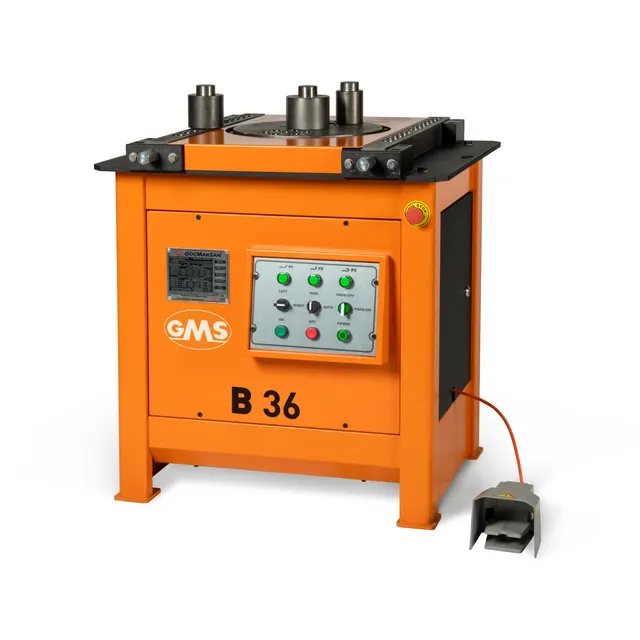
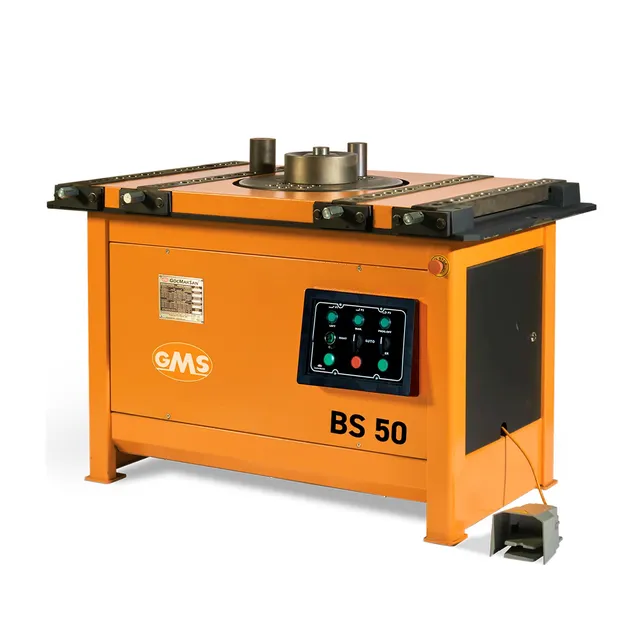
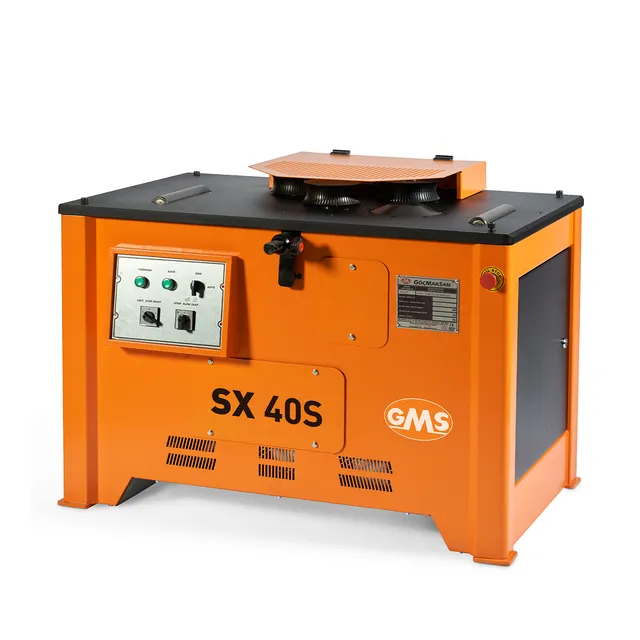
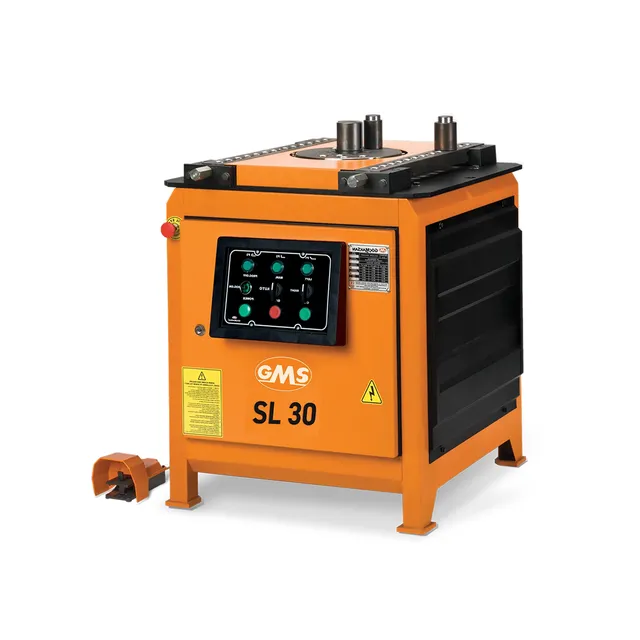
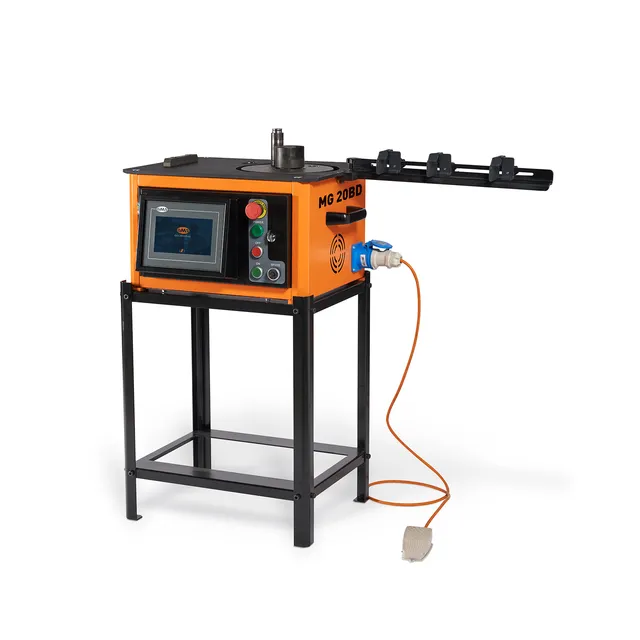
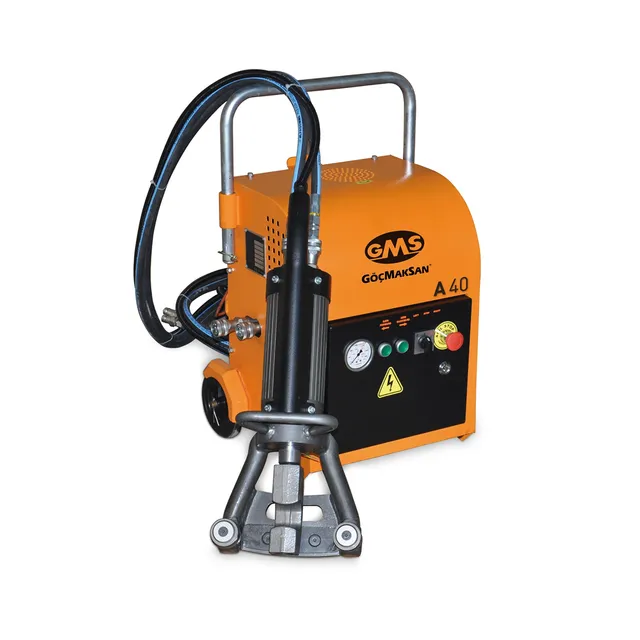
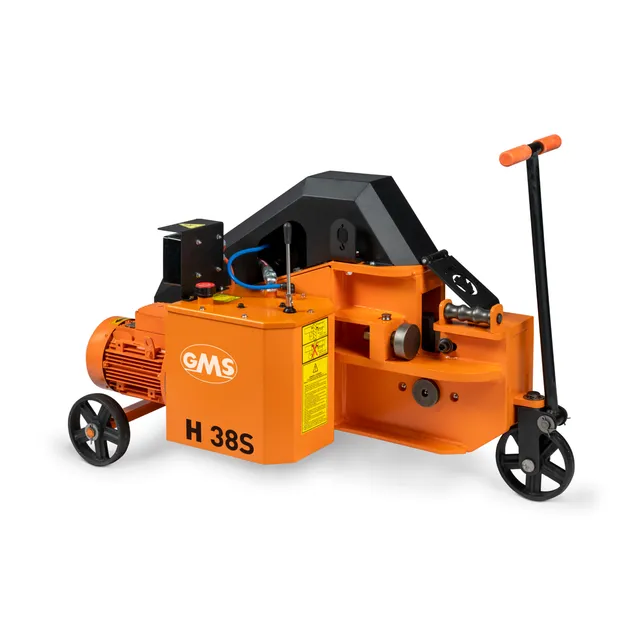
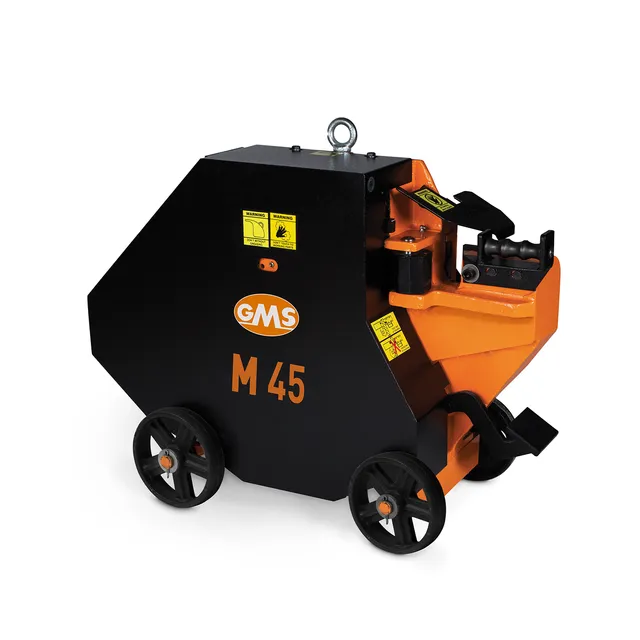
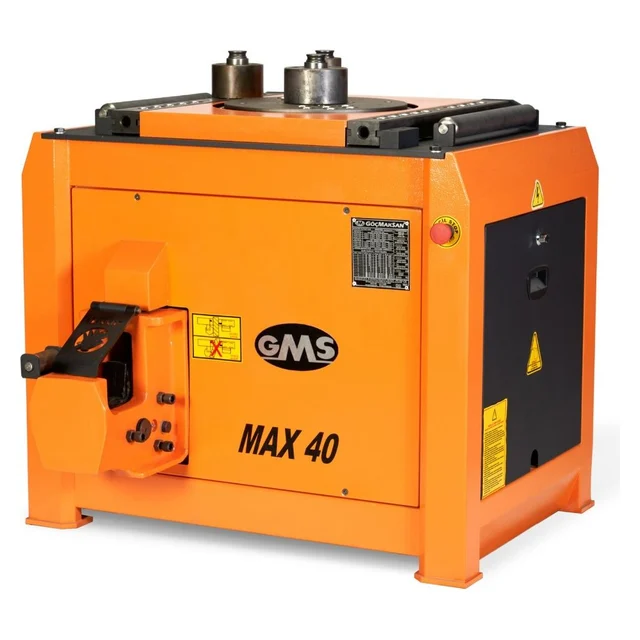
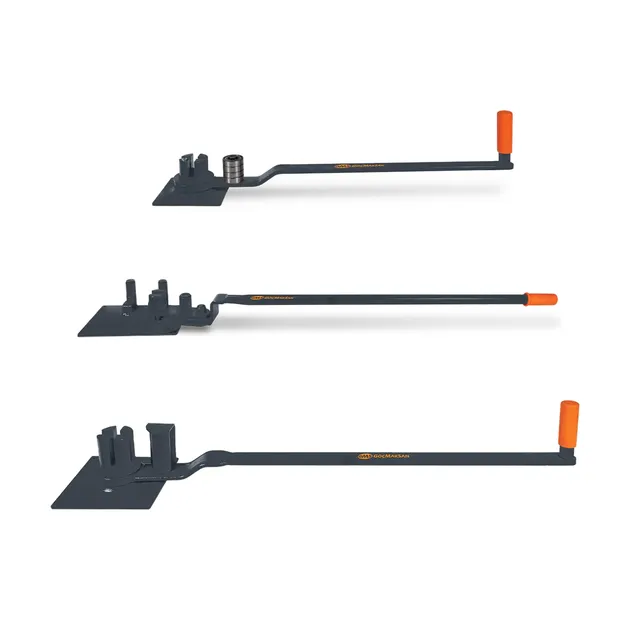
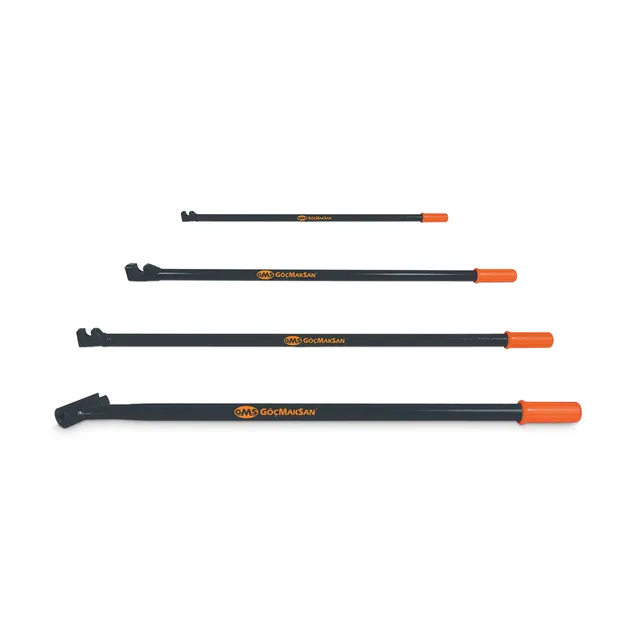
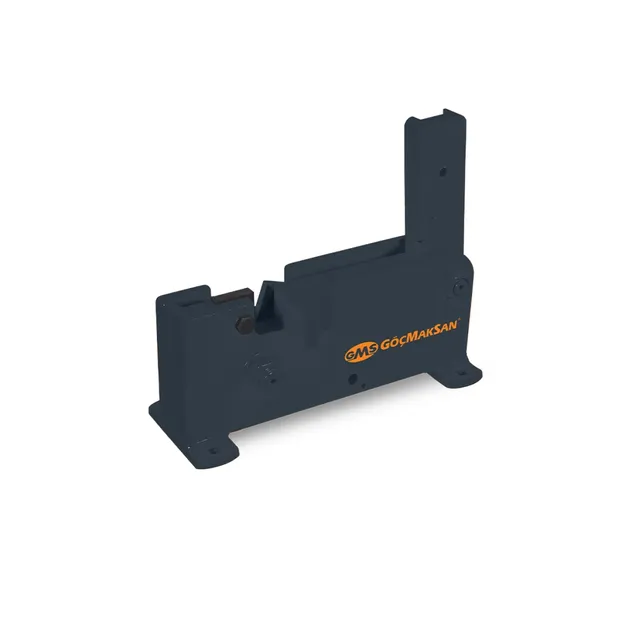
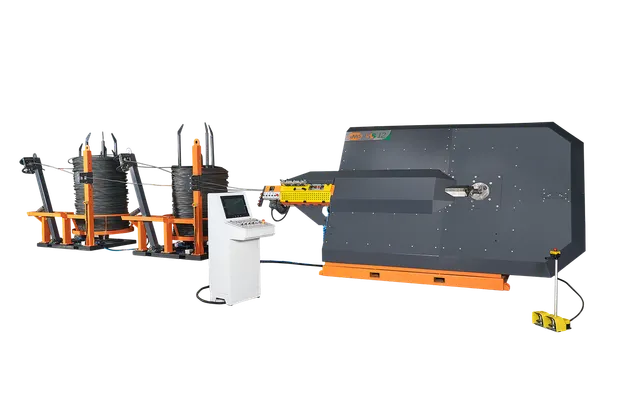
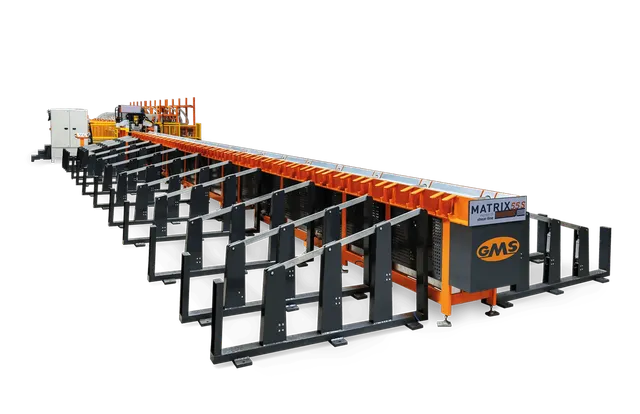
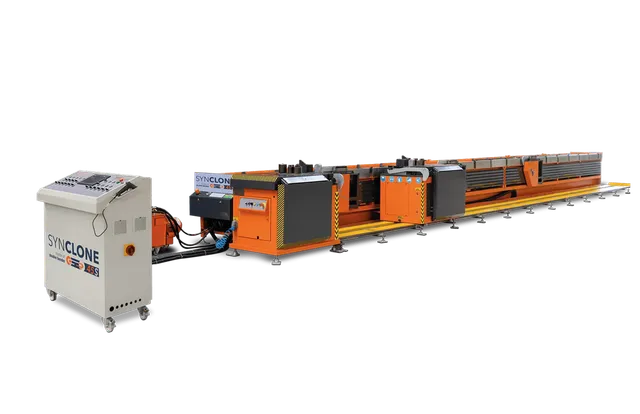
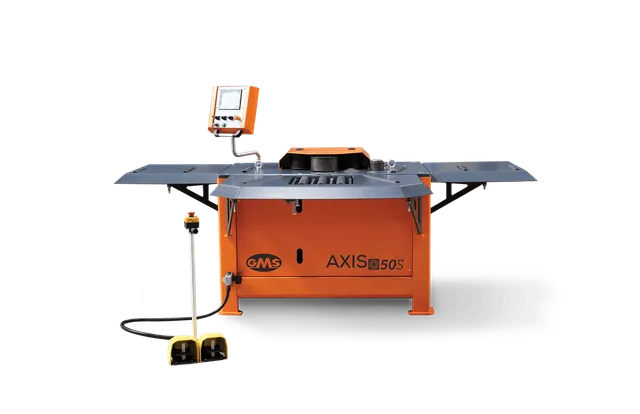
A compliant bend requires the machine to be fitted with the correct mandrel diameter and to run at a bending speed suited to the material. GMS bending machines work with interchangeable mandrels covering all common standard values and hold the set angle reproducibly. This turns a code requirement into a reliable series result.
Typical mistakes in practice
The three classics: using the wrong mandrel out of convenience, rebending without approval, and bending damaged bars. All three can be eliminated with clear work instructions and complete tooling sets at the machine.
Conclusion
The mandrel diameter is not a formality, it is structural engineering in daily practice. With the right machine and the right tooling set, code compliance is not extra effort but the default state. For questions about mandrel sets for your machine, contact us.
FAQ
What happens if the mandrel diameter is too small? Micro cracks form on the outside of the bend, reducing the fatigue strength of the bar. The damage is often invisible to the eye, which makes it particularly dangerous.
Do all EU countries apply the same bending rules? The basis is Eurocode 2, but national annexes can differ in the details. For export orders, always verify the provisions of the destination country.
Can every GMS bending machine bend to code? Yes. All machines are designed for interchangeable mandrels, so the required mandrel diameter can be set for every bar size.