
Manual vs. Automatic Stirrup Bending: When Automation Starts Paying You Back
Stirrups are the bread and butter of every rebar shop: high quantities, repeating geometries, tight tolerances. That is exactly why stirrup production is where automation earns its money fastest.
The manual reality
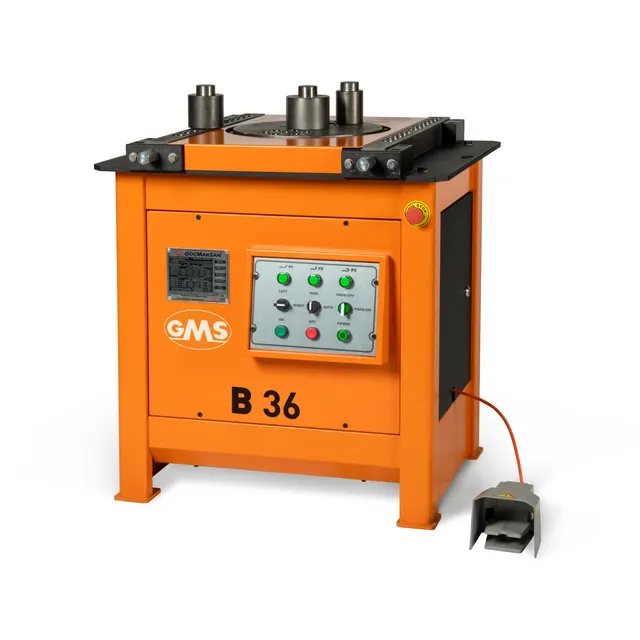
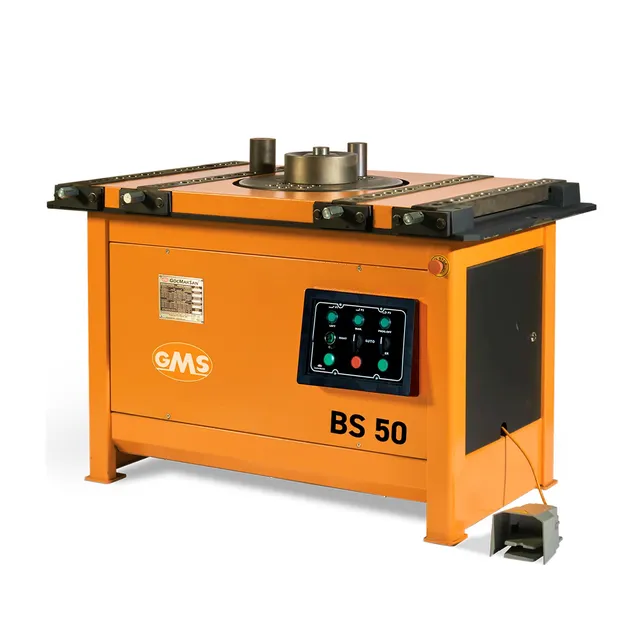
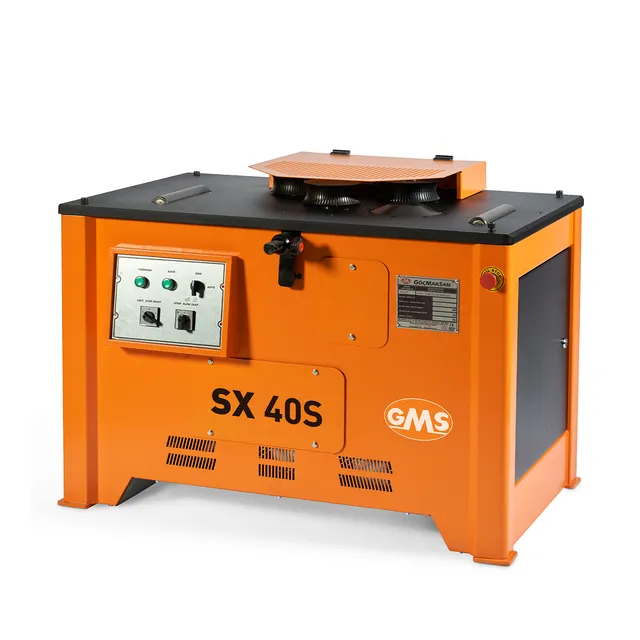
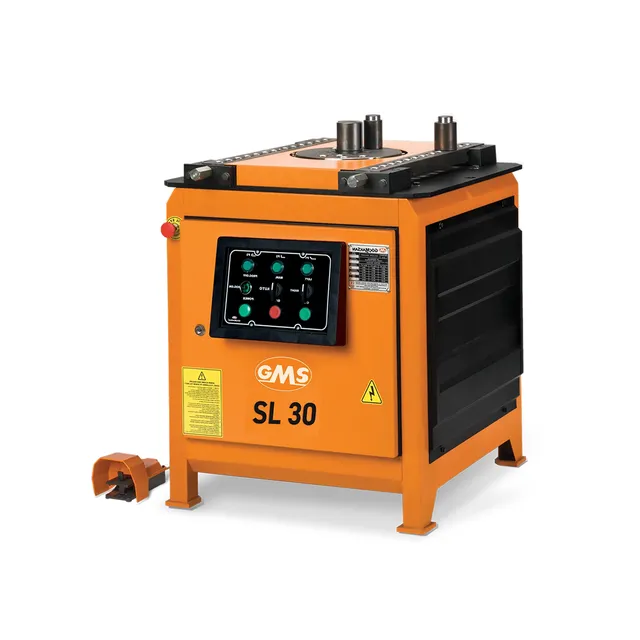
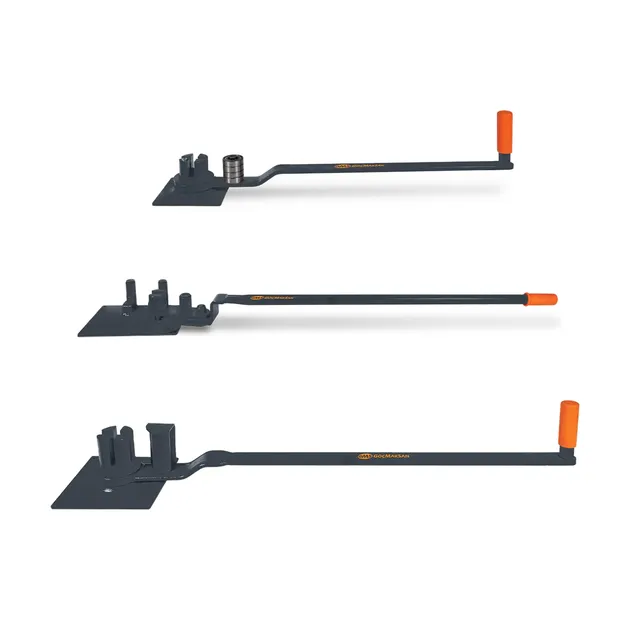
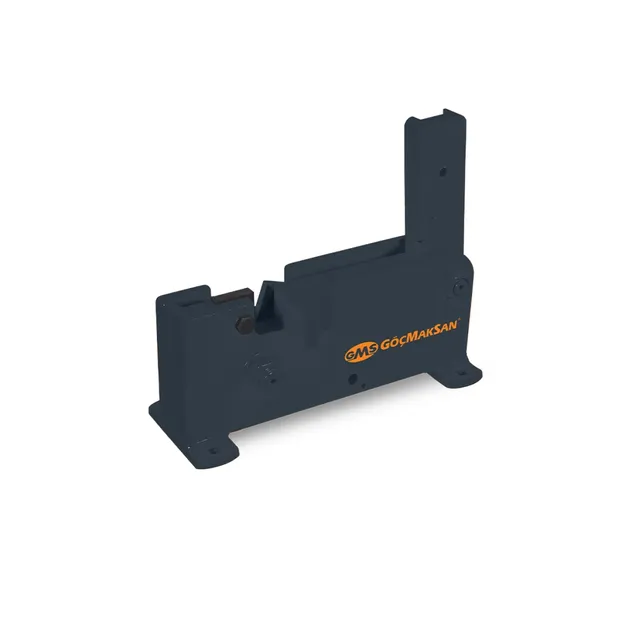
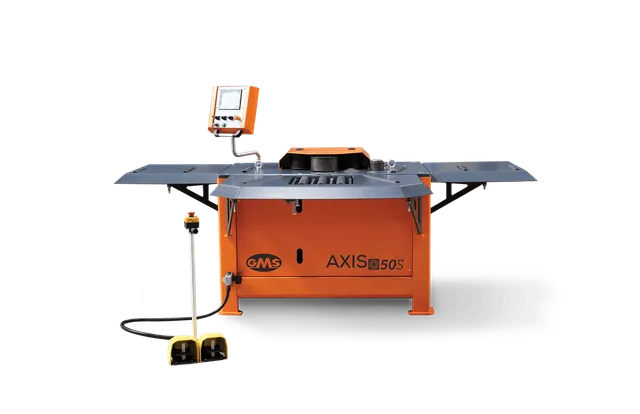
An experienced operator on a conventional bender produces a few hundred stirrups per shift depending on size. Quality depends on the person’s form that day, and every stirrup is positioned, bent and stacked by hand. With rising labour costs and skilled worker shortages across Europe, every manually bent tonne gets more expensive each year.
What a fully automatic line changes
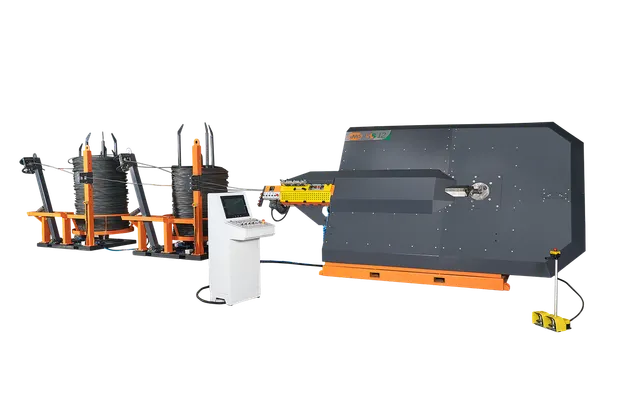
An automatic stirrup bending machine like the GMS SLS 12 works straight from the coil: straightening, feeding, bending and cutting happen in one continuous process. The result is thousands of stirrups per shift with identical geometry, controlled by stored programs. One operator supervises the line and handles logistics instead of bending each stirrup personally.
A simple calculation
Take a shop producing 60 tonnes of stirrups per month. Done manually, that ties up two to three full time workers. An automatic line handles the same volume with one operator in less time, reduces scrap through coil processing and eliminates rework caused by dimensional errors. Depending on local wage levels, the line pays for itself in two to four years. After that, it produces margin.
Beyond cost: delivery reliability
The underrated benefit is predictability. An automatic line delivers a calculable daily output, independent of holidays, sickness or staff turnover. If you supply contractors on deadline, automation buys you reliability above all.
Conclusion
Below roughly 20 tonnes of stirrups per month, a conventional machine remains the sensible choice. Above that, a fully automatic line permanently changes your cost structure. We are happy to run the numbers for your specific case: get in touch.
FAQ
How many stirrups per hour can an automatic stirrup bender produce? Depending on stirrup size and wire diameter, several hundred to over a thousand pieces per hour, in continuous operation and with consistent accuracy.
Which wire diameters does the GMS SLS 12 process? The line is designed for the common stirrup diameters from coil material. Full specifications are on the product page.
Does an automatic line require specialist staff? No. Operation runs through an intuitive control unit with program memory. Training by GMS Germany is part of the commissioning.